SPINAL PROCEDURES
Decompression of Nerve Roots or Spinal Cord
What is nerve root or spinal cord decompression?
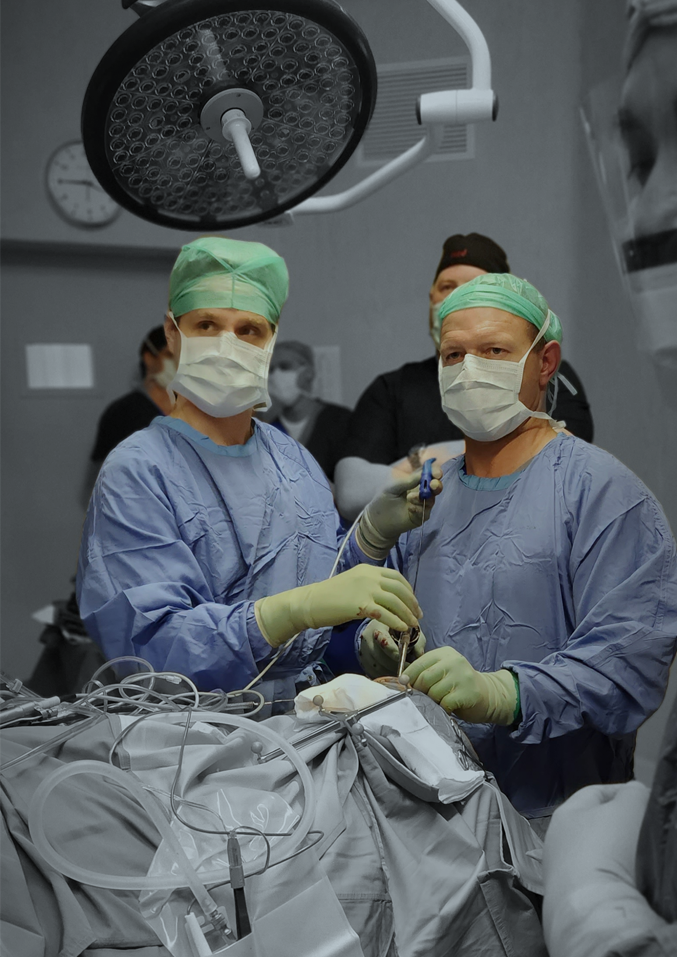
Decompression surgery is a surgical procedure aimed at relieving pressure on the spinal cord or nerve roots caused by various conditions, such as herniated discs, spinal stenosis, or tumours. This surgery is crucial for restoring normal function and alleviating pain associated with nerve compression.
Conditions Treated with Nerve Root or Spinal Cord Decompression:
- Herniated Disc: When a disc in the spine protrudes, it can compress the nerve root or spinal cord, causing pain and neurological symptoms. Decompression surgery can remove the damaged disc material.
- Spinal Stenosis: Narrowing of the spinal canal leads to nerve compression. Decompression relieves the pressure and associated symptoms.
- Bone Spurs (Osteophytes): These can form on vertebrae and press on nerves. Removal of these bony growths alleviates nerve pain and restores function.
How is the procedure performed?
The surgeon performs decompression surgery through various techniques, such as laminectomy (removing part of the vertebra) or discectomy (removing a herniated disc). The approach taken depends on the location and cause of the compression. The surgery is performed with precision to minimise damage to surrounding healthy tissue.
What can patients expect post-surgery?
Recovery from decompression surgery varies depending on the extent of the procedure and the patient's overall health. Many patients experience significant relief from their symptoms and may require physical therapy to enhance recovery and restore function. Regular follow-ups are important to monitor progress and ensure the best outcomes.
FAQ
1. How long does it take to recover from decompression surgery?
Recovery time varies but typically spans 4–6 weeks. Dr Harrington will provide specific guidance based on individual cases.
2. Are there specific post-surgery restrictions?
Avoid lifting, bending, and twisting for a few weeks. Light activity may resume within a few days, depending on Dr Harrington’s recommendations.
3. Will physical therapy be necessary?
Physical therapy is often recommended to aid recovery and improve spinal strength and flexibility.